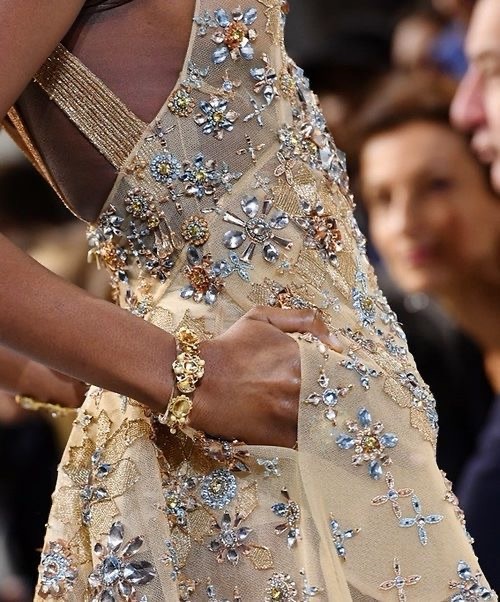
As we stand just weeks away from Alessandro Michele‘s highly anticipated debut at Haute Couture with Valentino, his upcoming show, Vertigineux, has already sparked imaginations and left us dreaming. In this article, I step into his shoes and explore the creative direction I would take for my own couture show. What would I choose to reflect on? What themes would I want to weave into the fabric of my designs?
An Exploration of Opulence, Sin and The Inescapable Turn of Fortuna’s Wheel
If I had Alessandro Michele’s magic touch and mind, and I were to craft my own couture collection, I would want to attempt to bring together present and past, weaving them into a single, timeless narrative. One that would provoke deep, unsettling questions – Arcanum Fortunae – as well as a tribute to the iconic Carmina Burana.
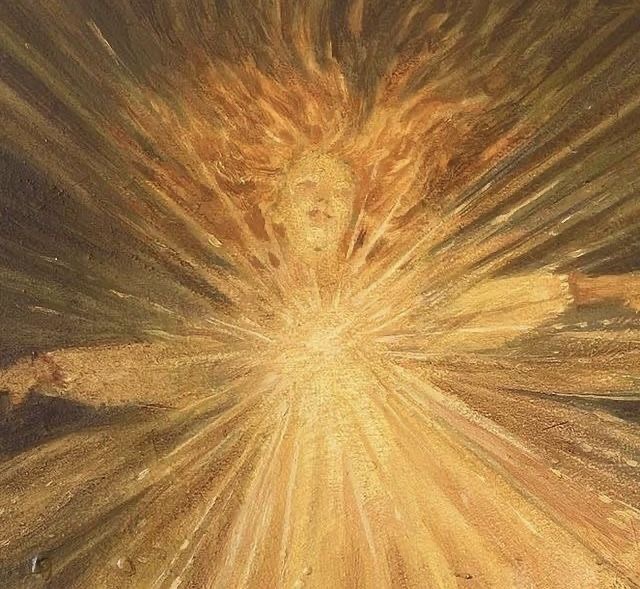
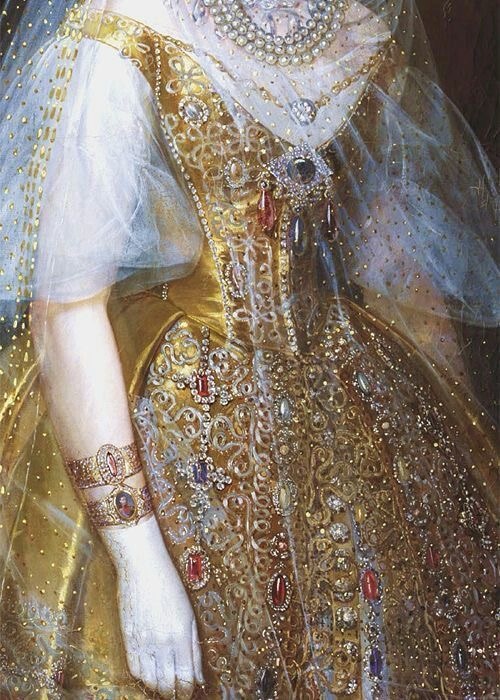
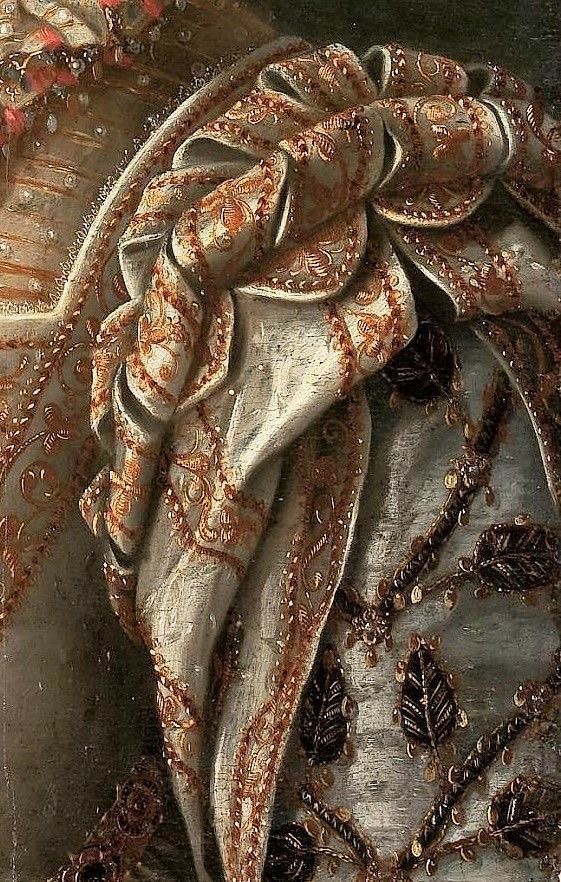
Fashion is Fate.
Beauty is Fleeting.
Power is an Illusion.
The Eternal Spin of Fortune’s Wheel
Few musical compositions evoke such visceral emotion as Carl Orff’s Carmina Burana. Its most famous movement, O Fortuna, has become synonymous with grandeur, catastrophe, and the unpredictable nature of fate. Yet, the full Carmina Burana is more than just a hymn to Fortuna—it is a medieval manuscript rich with contradictions. It revels in excess while warning against it, worships beauty while acknowledging its impermanence, and indulges in sin while lamenting the inevitable consequences.
This duality—pleasure and punishment, indulgence and downfall—feels like fertile ground for a couture collection unlike any other.
This is how I would envisioned it, but I would very much need a hand, and who better to bring it to life than Alessandro Michele, whose baroque aesthetic and love for historical allegory would transform this concept into a fully immersive experience?
The Runway: a Living Allegory
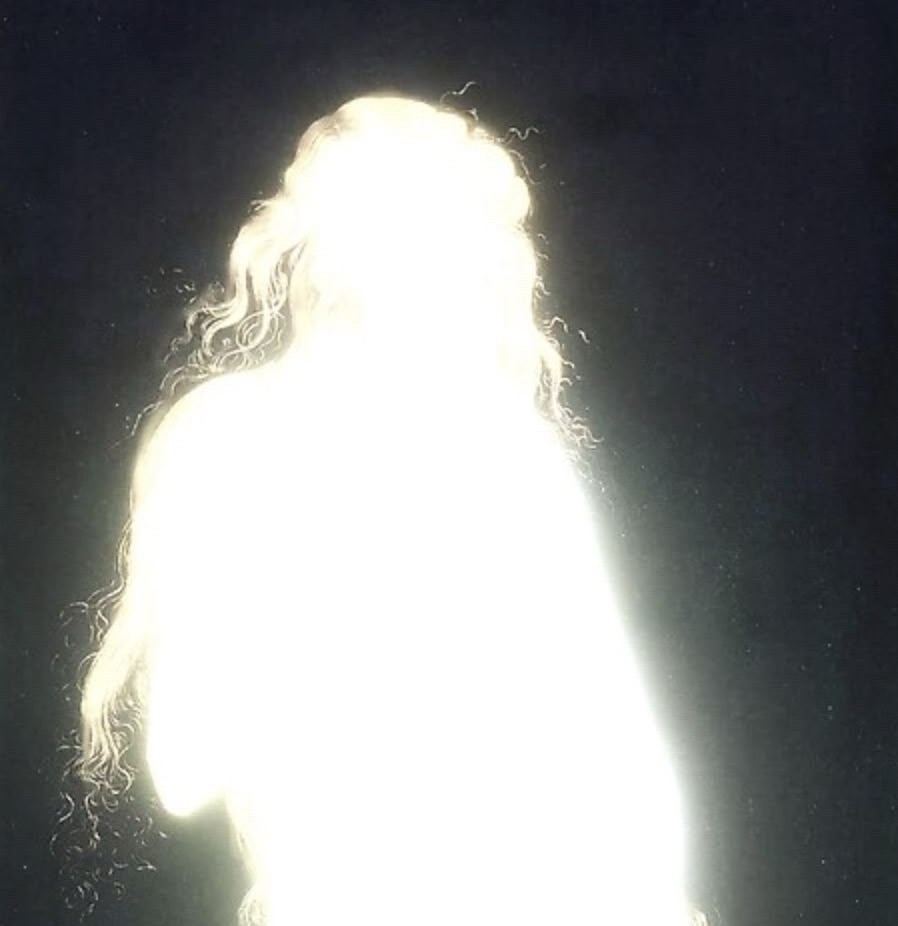
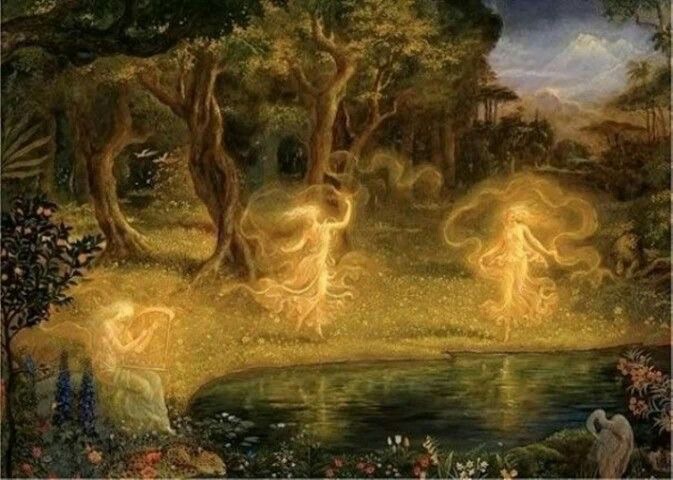
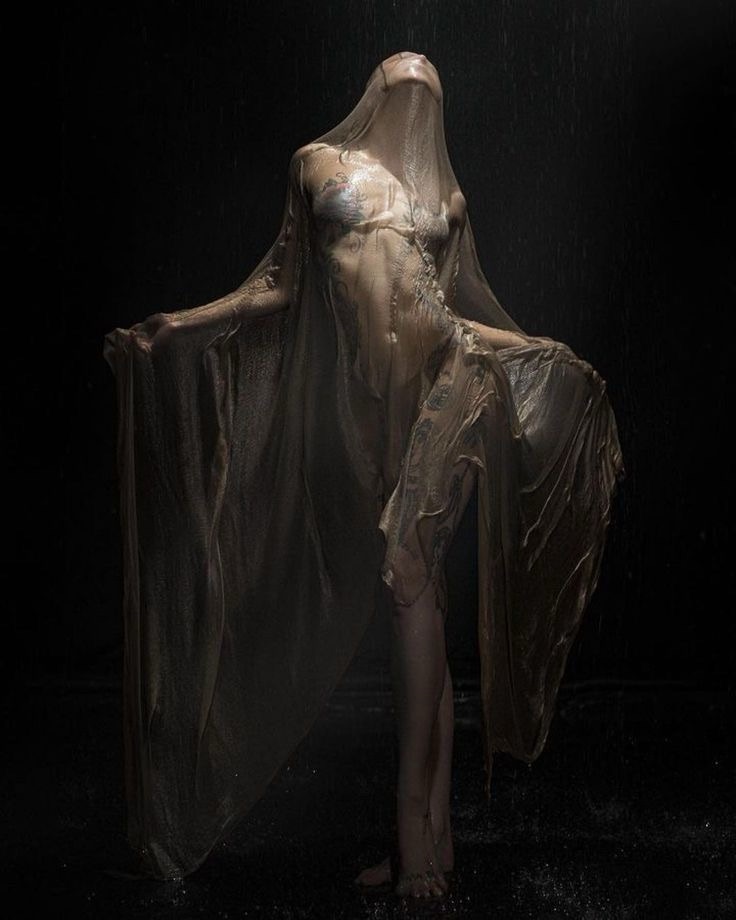
In this imagined couture collection, the runway itself becomes a theatrical meditation on power, beauty, and fate. At its center, a monumental Wheel of Fortune slowly turns—a gilded medieval relic adorned with astrological symbols, baroque filigree, and Latin inscriptions:
– Regnabo (I shall reign) – The peak of power.
– Regno (I reign) – The illusion of stability.
– Regnavi (I have reigned) – The beginning of the fall.
– Sum sine regno (I am without a kingdom) – The inevitable ruin.
As the show unfolds, the wheel dictates the journey of the models—some rising to their moment of glory, others slowly descending into oblivion.
Act I : The Divine Illusion of Power and Beauty – Ave Formosissima
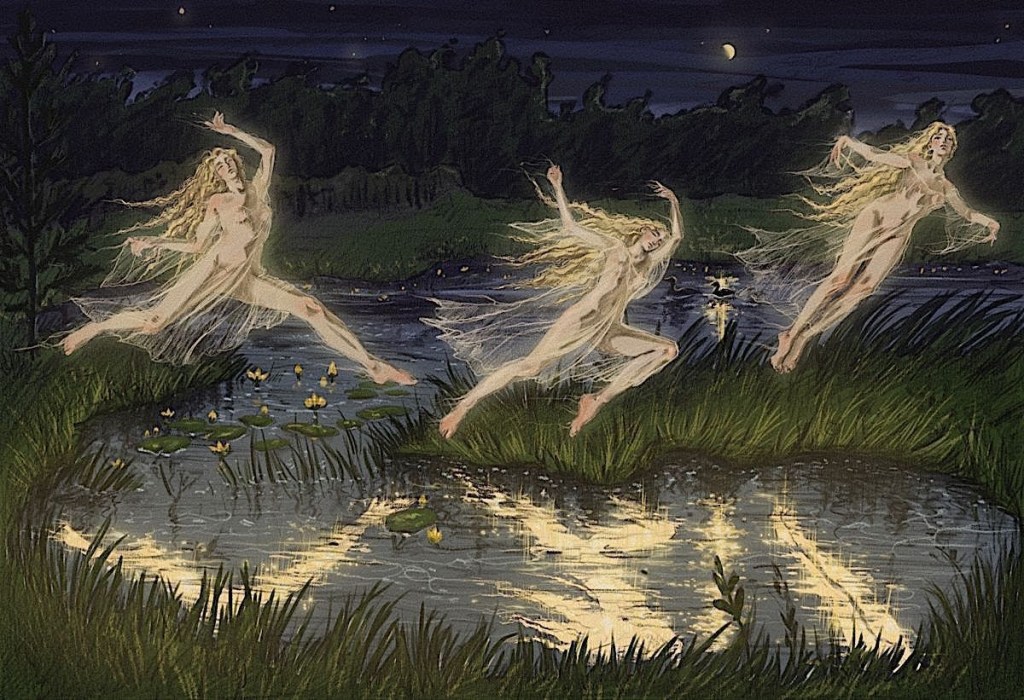
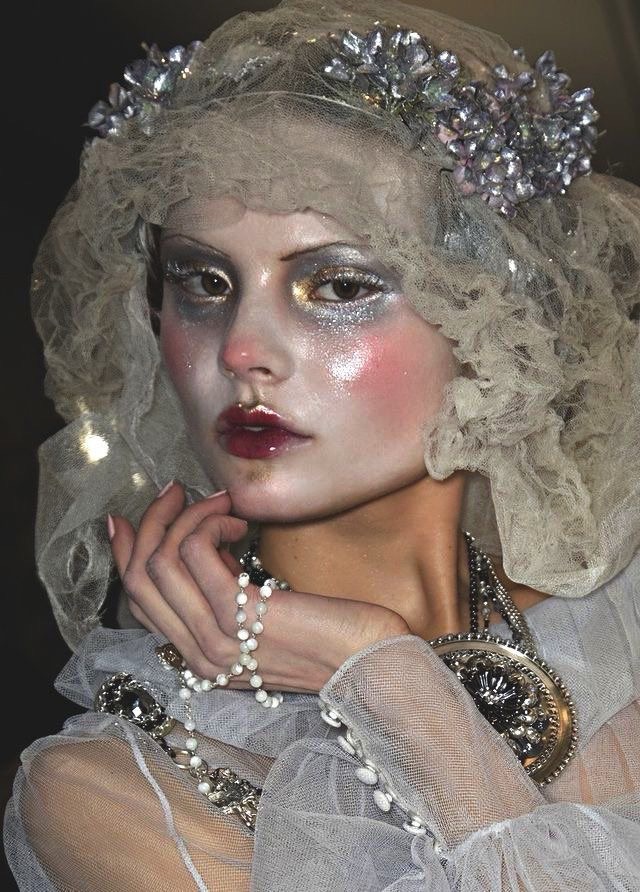
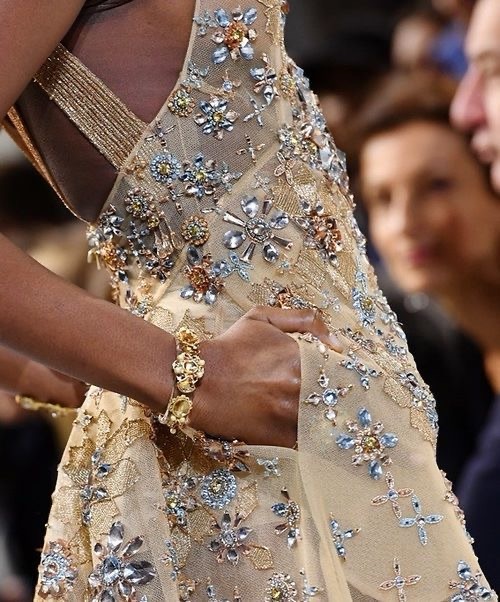
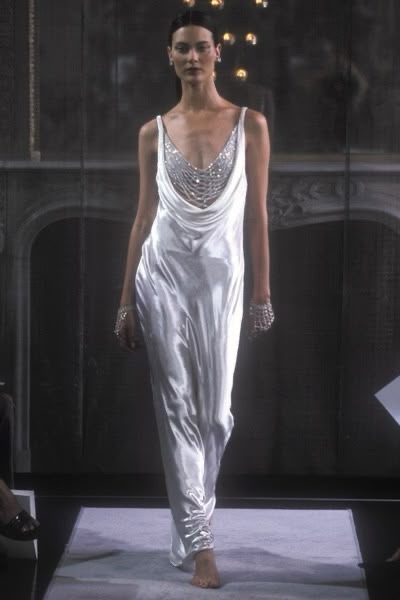
The show begins in darkness. A single note hums through the space. Then, golden light rises, revealing figures emerging in a slow, reverent procession. They are living icons of power and beauty, draped in celestial white and gold, their gowns embroidered with radiant suns, constellations, and mythological figures.
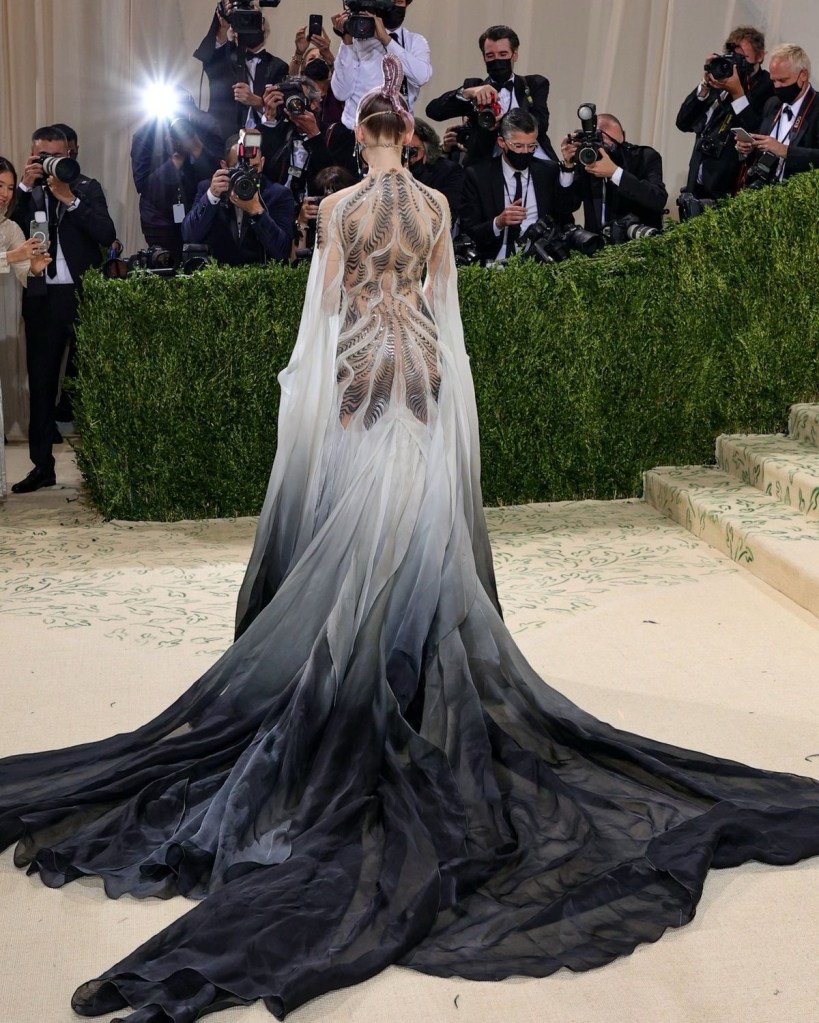
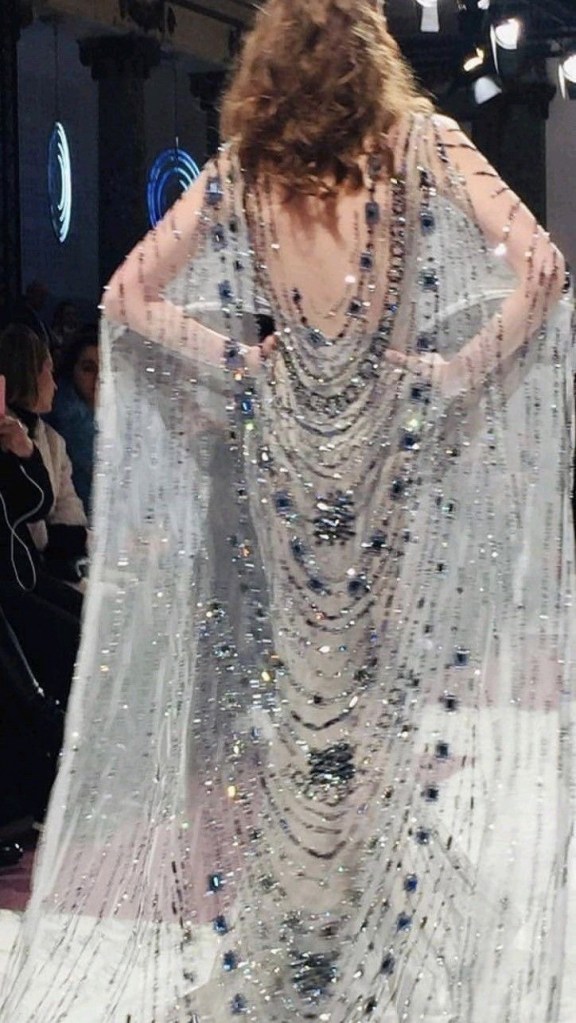
This is beauty at its peak—Venus revisited reborn, Helen of Troy in the flesh. Divine essence takes center stage together with:
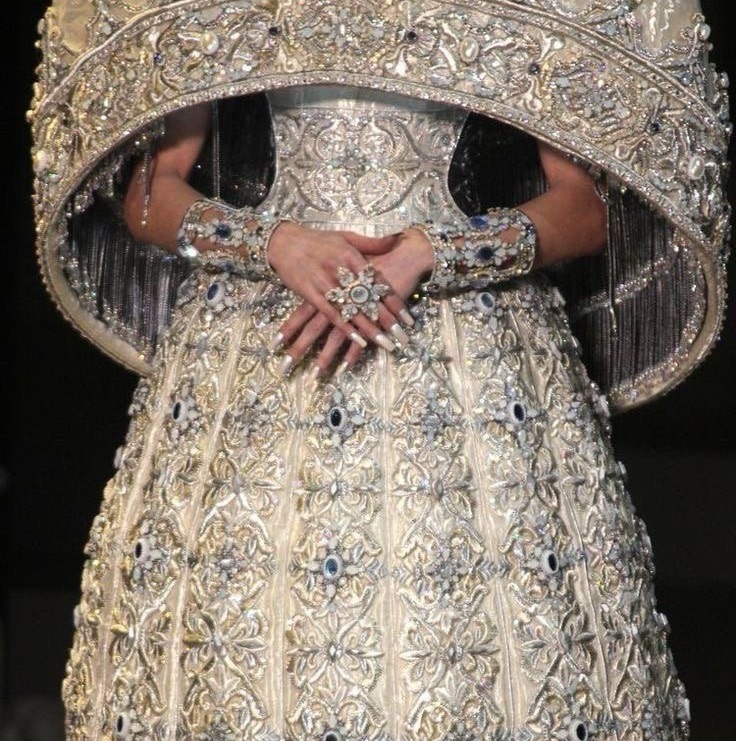
– Flowing brocade gowns embroidered with Latin invocations, as if fate is being woven into the very fabric.
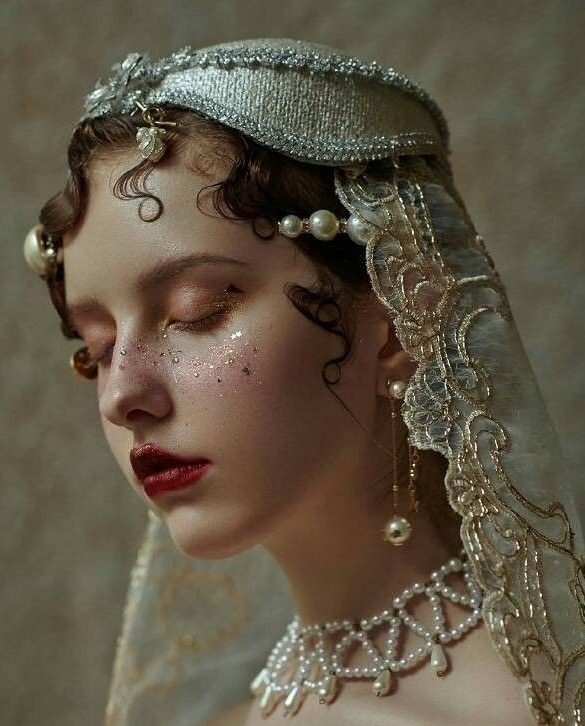
– Gilded headpieces resembling halos, adorned with pearls and delicate metalwork.
– Velvet gloves with bejeweled fingertips, as if these figures hold the power of the gods themselves.
The audience is mesmerized. This is the illusion of permanence. But as the last celestial figure steps onto the runway, the wheel begins to turn. The music shifts.
Act II : The Height of Indulgence – In Taberna Quando Sumus
The atmosphere changes. A riotous, intoxicating melody fills the space—laughter, clinking glasses, the sound of excess. The golden figures fade into the background as a new wave of models emerges: the revelers, the sinners, the ones who feast without care for tomorrow.
– Deep reds, midnight blues, and velvet textures replace the purity of white and gold.
– Draped corsetry and decadent silk capes recall Renaissance nobility at the height of indulgence.
– Models carry symbolic props—golden apples (temptation), dice (gambling with fate), tarnished goblets dripping with pearls.
– Ruffled collars, lace gloves, and heavy gold chains suggest both luxury and entrapment.
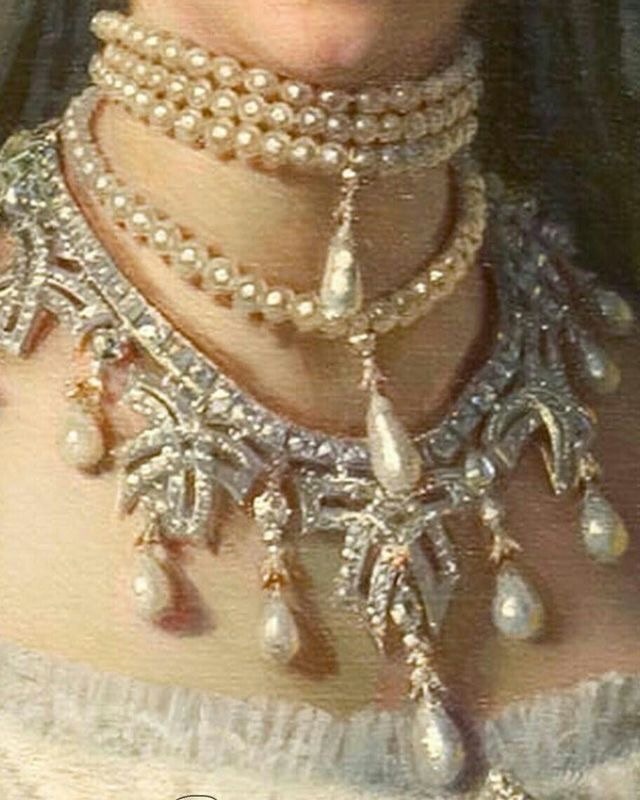
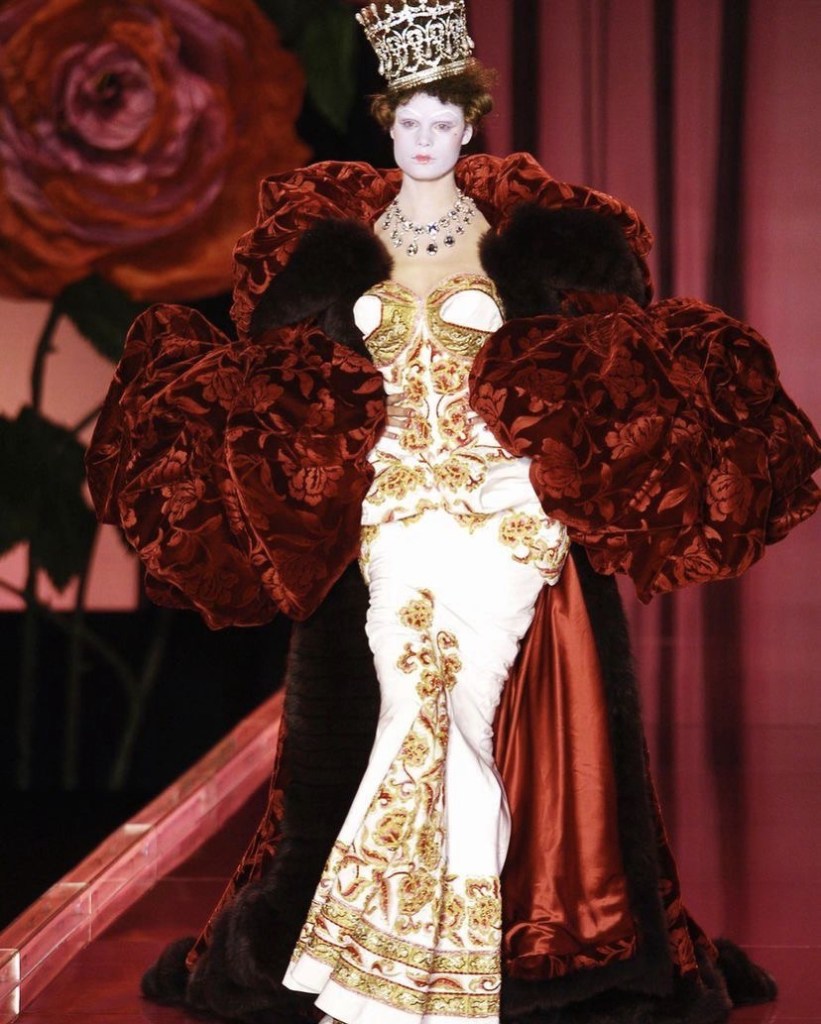
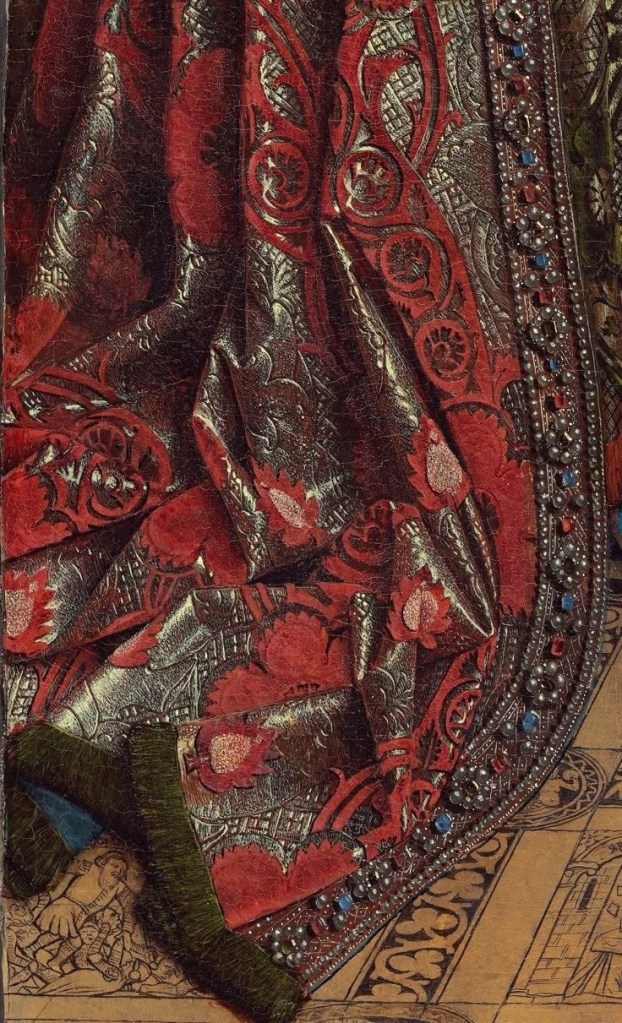
This is fortune’s cruelest trick—letting one believe they have conquered fate. The models laugh, drink, indulge. They believe this moment will last forever. But they do not see the wheel turning.
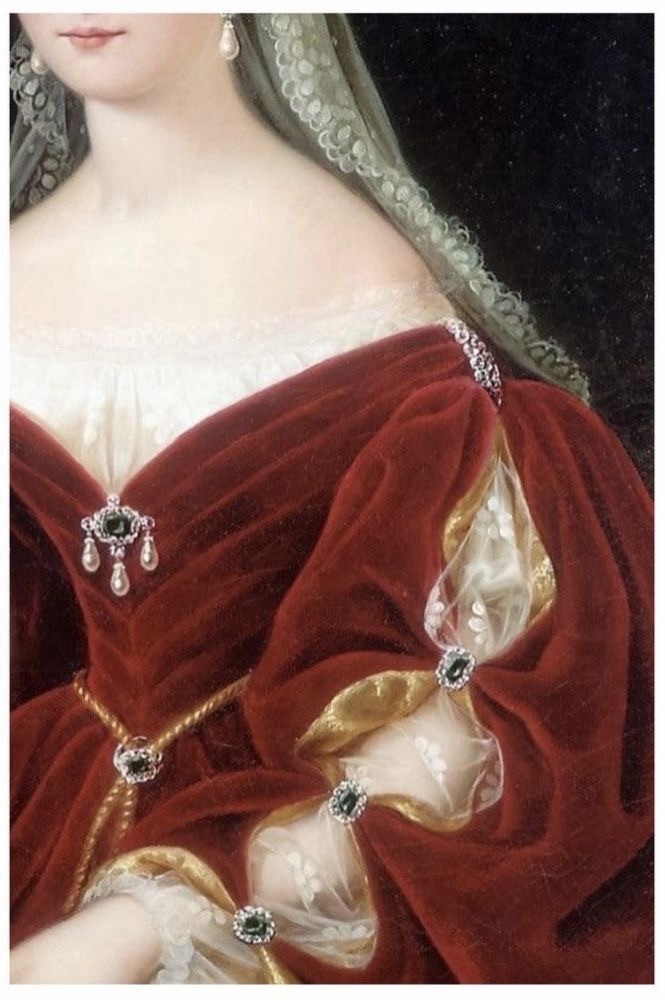

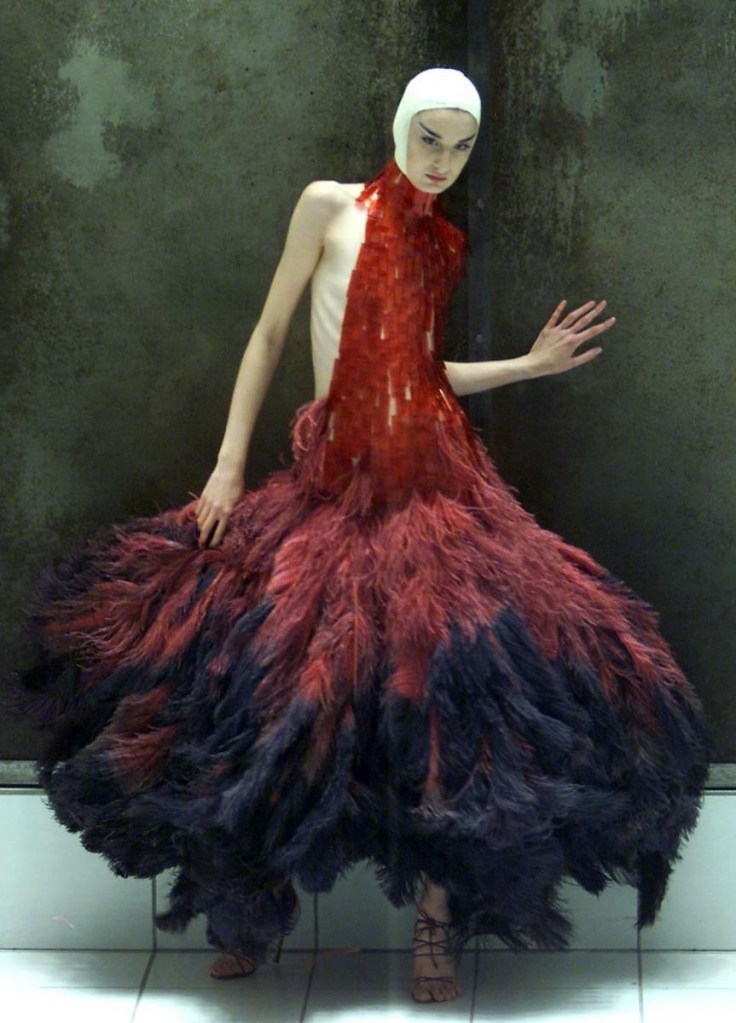
Act III : The Reckoning – O Fortuna
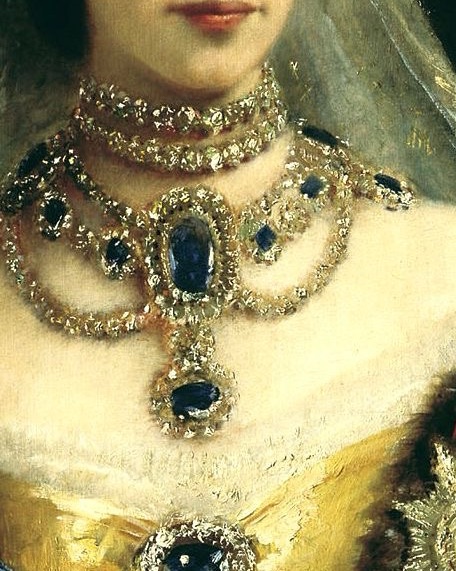
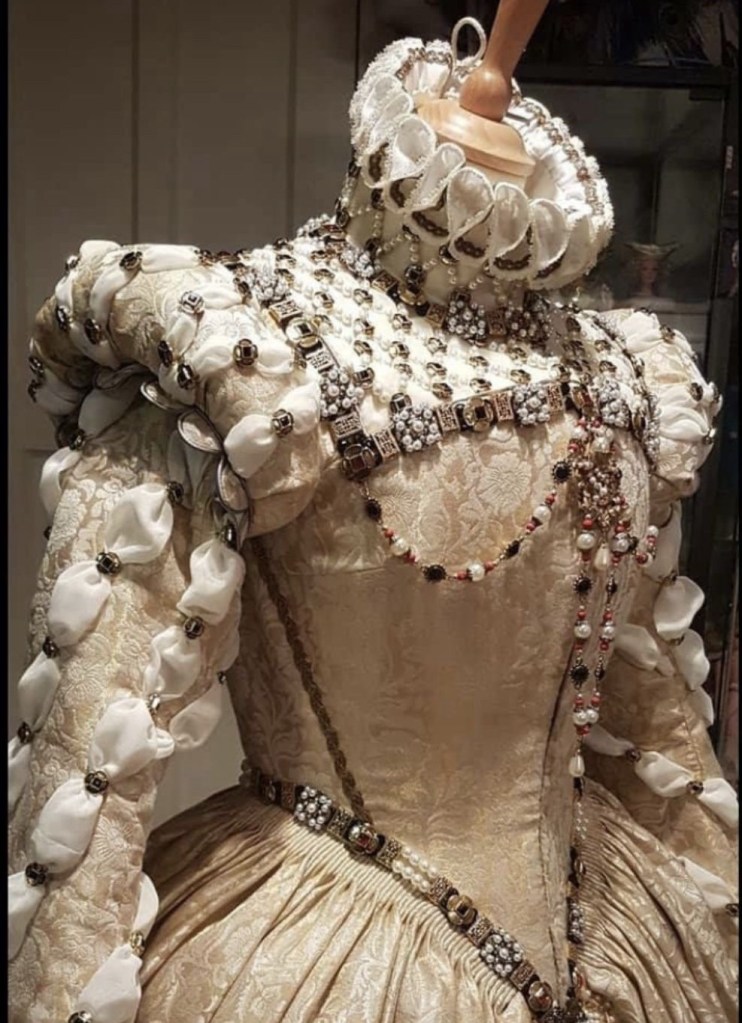
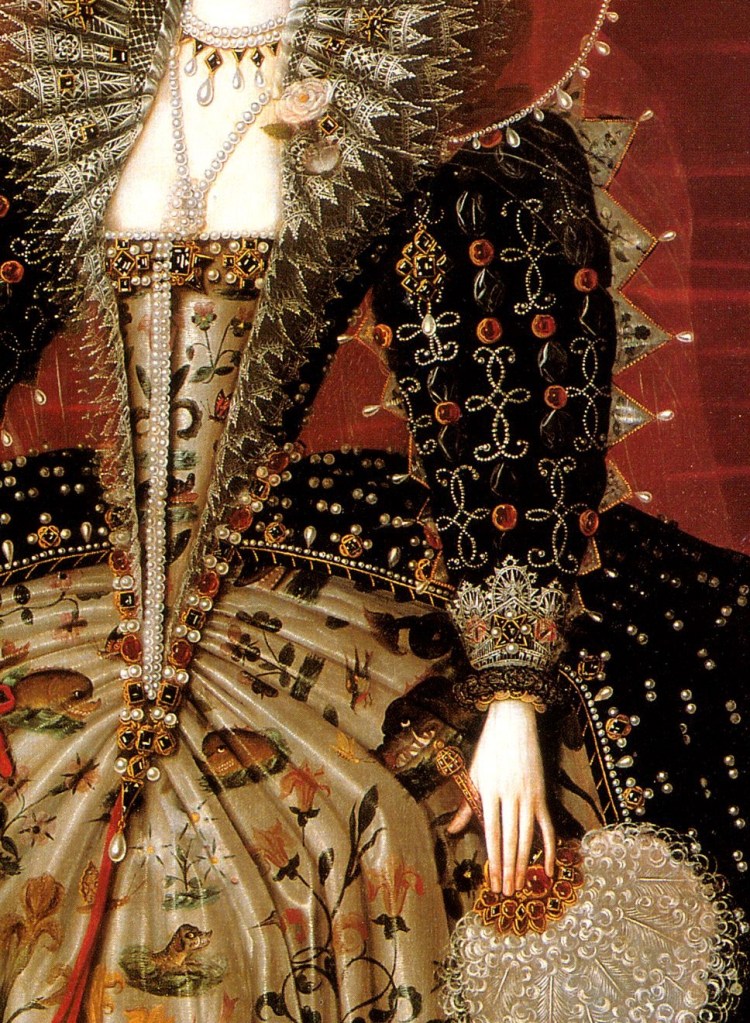
The moment of excess collapses. A loud metallic clang echoes through the space. The golden wheel turns faster. The opening notes of O Fortuna rumble like a storm on the horizon.
The opulent garments begin to decay—colors darken, embellishments unravel, crowns slip from heads. Those once exalted now stagger under the weight of their garments, their capes dragging like the remnants of an empire.
– Silhouettes become heavier, evoking medieval armor and rigid corsetry, as if fate is closing in.
– Models appear bound in their own garments, embroidered phrases wrapping around their bodies like spells: Memento Mori (Remember you must die), Omnia Vanitas (All is vanity).
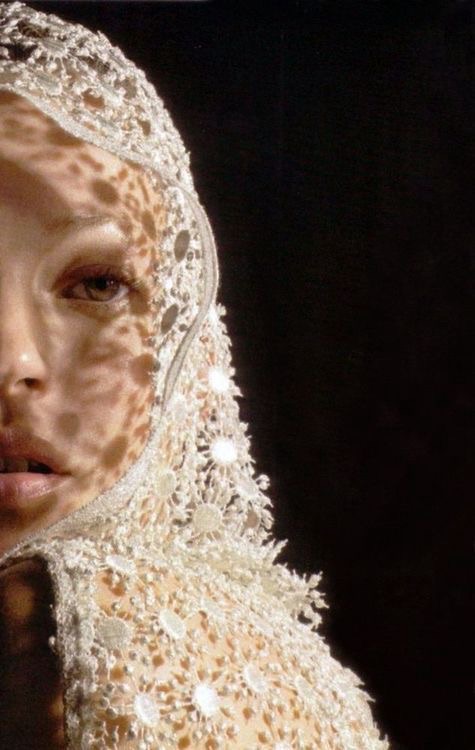
– Veils obscure faces, suggesting both mourning and anonymity—once celebrated, now forgotten.
– Opulent necklaces become even more exaggerated, now diamond and pearls are almost like chains, choking the models.
Act IV : The Ghosts of The Fallen – Tempus Est Iocundum
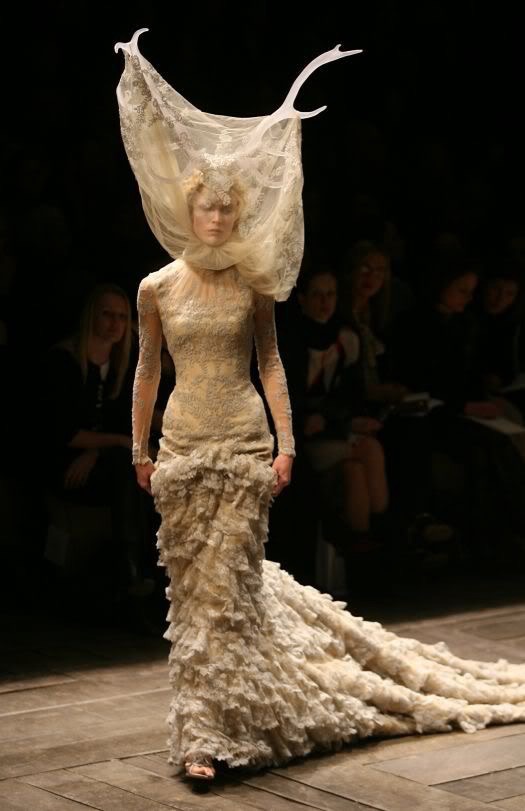
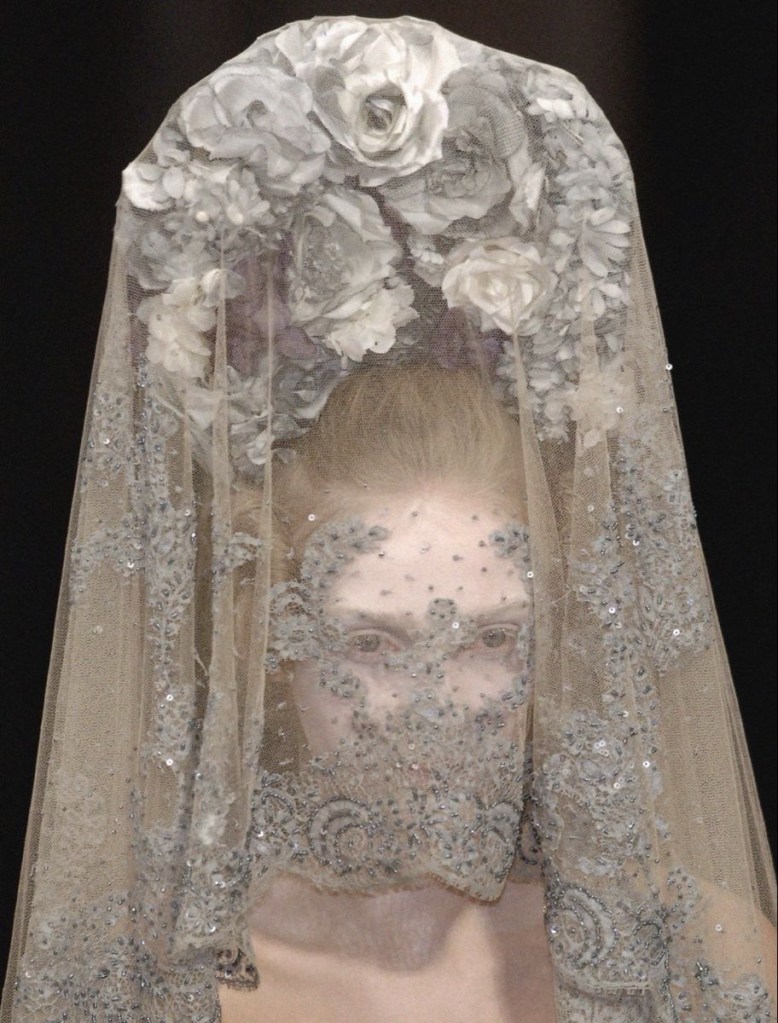
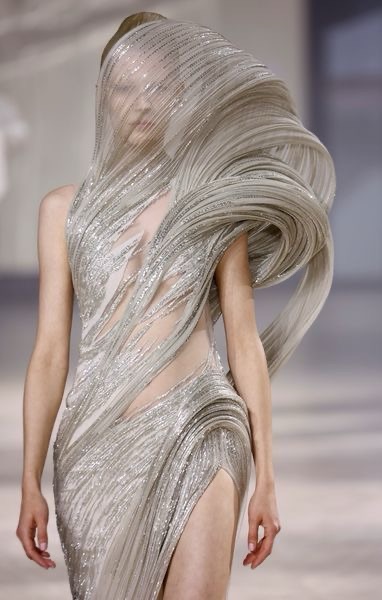
The wheel slows. The music softens into an eerie silence. The once-golden figures return—but as shadows of their former selves.
– Their garments are now faded, as if time itself has worn them down.
– Lace dissolves into sheer fabrics, suggesting spirits caught between this world and the next.
– Some wear veils, their identities now erased by history.
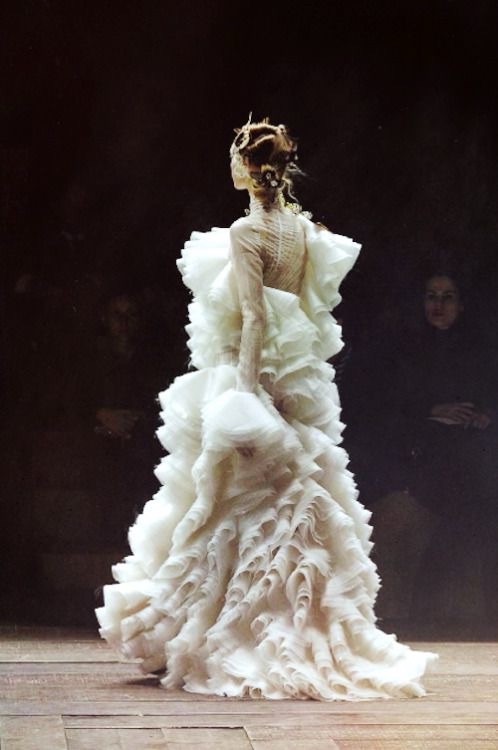

Then, a final figure appears: Fortuna herself, cloaked in black, red, gold, her gown embroidered with the wheel she controls. She stands before the audience, motionless. For a moment, it seems the show is over. Then, without warning, the wheel begins to turn again.
The cycle continues.
A Provocative Reflection on Power, Beauty and Fate
This would not just be a fashion show—it would be an experience, a meditation on the relentless rise and fall of fortune, a challenge to the audience to rise deep, provoking questions:
- Why do we chase power if we know it is temporary?
- Why do we worship beauty if it is destined to fade?
- If we are at fortune’s mercy, do we indulge—or do we resist?
In the end, Carmina Burana reminds us that we are all spinning on Fortuna’s wheel. The question is, where will we land when it stops?
What Are Your Thoughts?
Would you embrace the excess of Carmina Burana, knowing it cannot last? Or would you try to defy fate itself? Let’s discuss in the comments.
All the love,
Anna
 Anna’s Fashion Affair
Leave a comment