
More than two years after the 2022 scandal that shook its reputation, Balenciaga has undergone one of the most significant restructurings in recent luxury history. While much of the initial conversation focused on the brand’s missteps and the global backlash that followed, the more compelling question today is how the house has navigated the aftermath financially, operationally and creatively.
Balenciaga’s trajectory offers a timely case study in crisis management, long-term brand rebuilding and the limits of shock-driven branding in the contemporary luxury landscape.
1. The Immediate Aftermath (2023–2024): From Damage Control to Discipline
Following the crisis, Balenciaga’s leadership opted for a low-profile, operationally focused approach. Under then–creative director Demna, the house initiated a strategic reset designed to stabilize its image and restore brand seriousness.
A Controlled Creative Reset
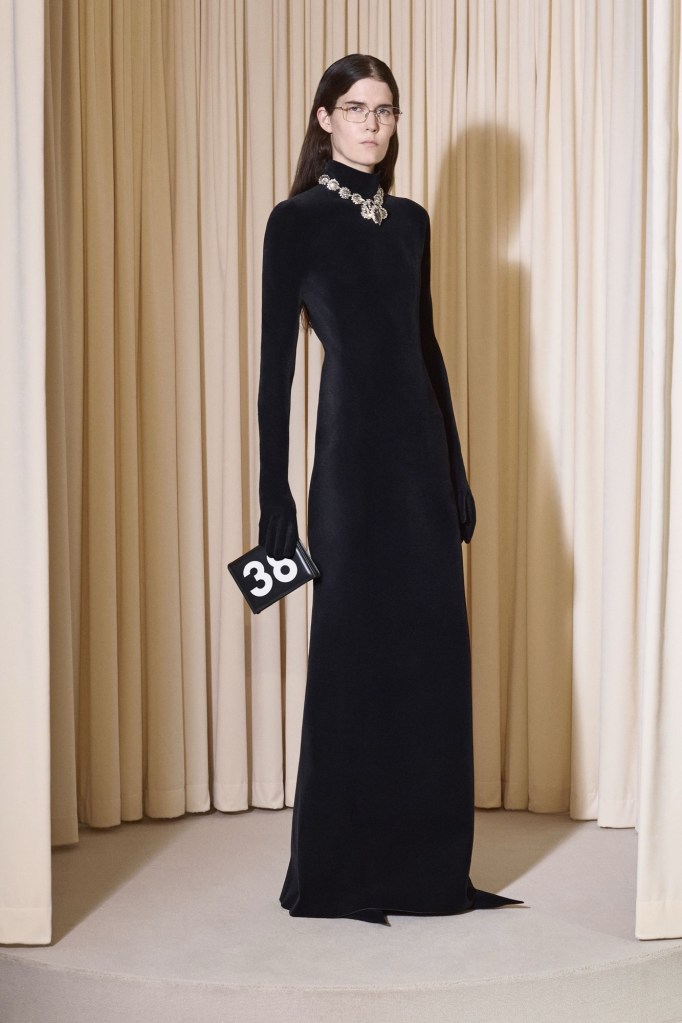
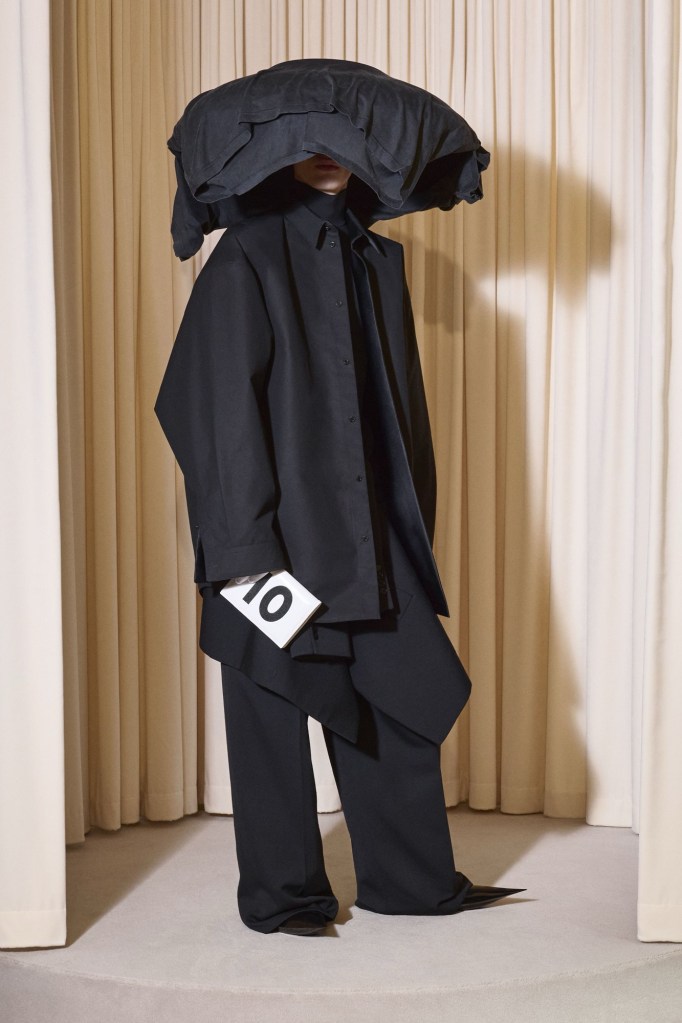
Demna dialed back the provocative aesthetic that had defined his tenure. Shock campaigns disappeared, and the brand shifted toward technical rigor, emphasizing couture, tailoring and a more sober visual language. This repositioning aimed to rebuild credibility with both consumers and industry stakeholders.

Austerity and Reduction
Collections from 2023 and 2024 adopted a darker, more restrained tone. The house minimized theatrics and opted for austere, almost monastic silhouettes, signaling a deliberate recalibration of identity.


A Streamlined Assortment
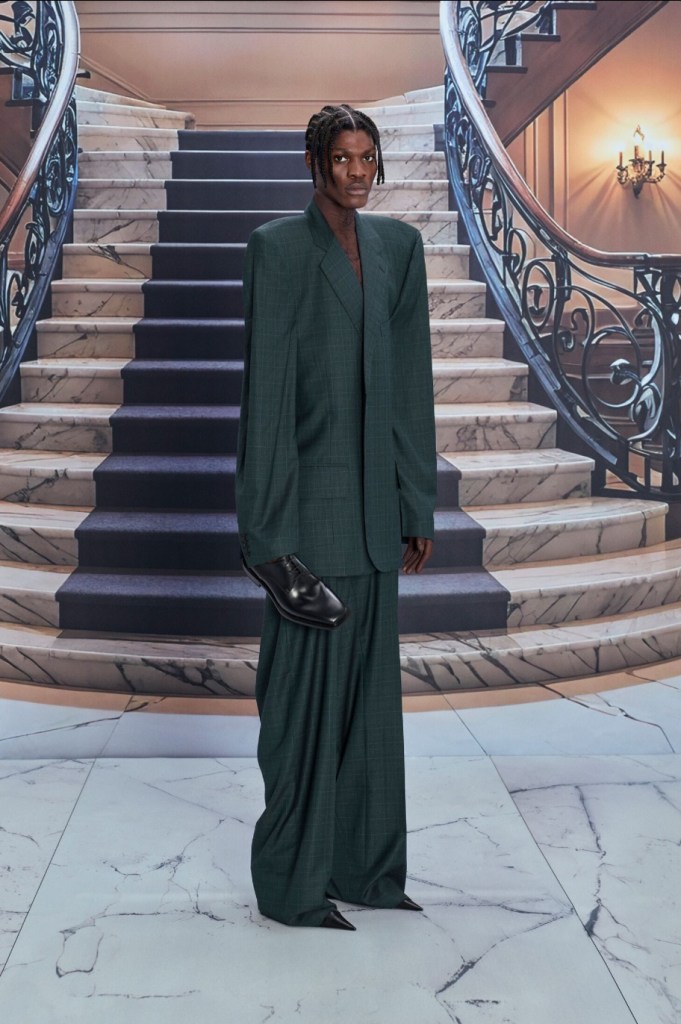
Balenciaga reduced SKU proliferation and focused on high-performing categories such as sneakers and leather goods. In a crowded luxury market, the “less but better” approach was both a commercial and reputational strategy.
2. Financial Performance: Stabilization After a Steep Decline
The brand did sustain measurable financial damage in 2023, reflecting a double impact: the scandal itself and a broader slowdown in the luxury sector.
- Revenue dropped sharply (reported at around –16% year-on-year for 2023).
- Balenciaga sits within Kering’s “Other Houses” division , which, across the group, has been pressured by declining luxury demand.
- Despite this, Balenciaga’s direct retail network (flagship stores and brand e-commerce) showed signs of stabilization in late 2024 and into 2025.
In a challenging macro environment , marked by cautious spending in China, shifts in the US luxury consumer, and ongoing pressure on Kering’s portfolio, stabilization itself is notable.
Balenciaga did not return to pre-crisis highs, but it avoided the prolonged decline some analysts feared.
3. 2025: The Structural Rebirth and Creative Repositioning
If 2023–2024 represented containment, 2025 marks transformation.
Demna’s Exit: the Ending of an Era

Early 2025 saw the end of Demna’s tenure, closing a decade that simultaneously redefined and destabilized the brand. His move to Gucci symbolized a clean break and allowed Balenciaga to reposition itself without the weight of past controversies.
Pierpaolo Piccioli’s Appointment (July 10, 2025)
The appointment of Pierpaolo Piccioli as Balenciaga’s new Creative Director represents the house’s most decisive post-crisis move. What does Piccioli bring to the table?
- High reputational equity, rooted in artistic integrity, inclusivity and a humanistic design philosophy.
- A drastically different aesthetic, grounded in romanticism, craftsmanship and emotional storytelling.
- A strategic departure from the “disruptive luxury” era, aligning Balenciaga more closely with heritage-driven maisons.
For Kering, the choice signals a commitment to reposition Balenciaga as a mature, couture-led luxury house : less reliant on virality, more focused on long-term brand equity.
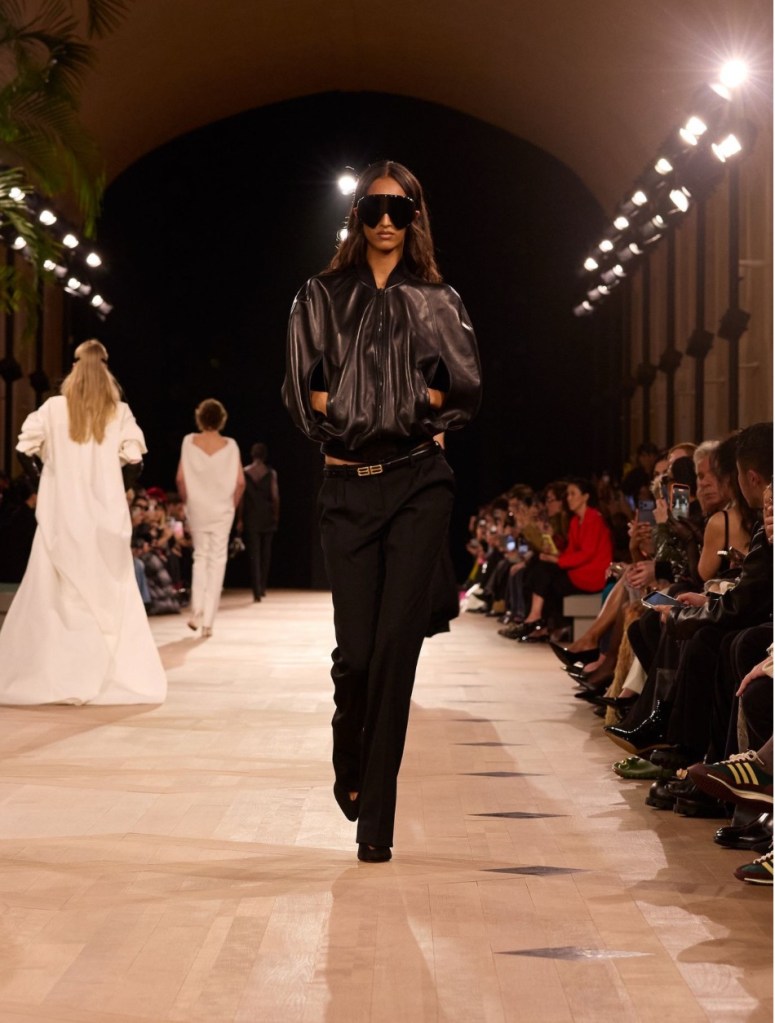

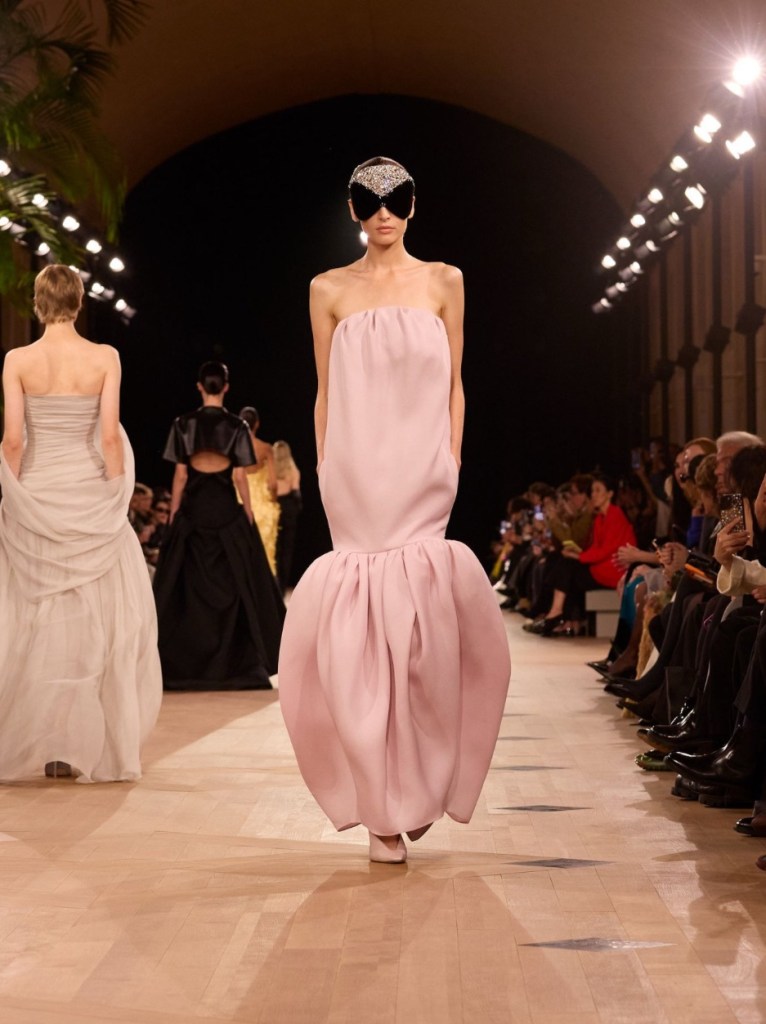
Analysts expect Piccioli’s collections to redefine Balenciaga’s creative trajectory and provide the symbolic closure needed for full reputational rehabilitation.
4. Brand Perception and Reputational Recovery
Beyond sales, Balenciaga’s recovery hinges on trust. Three structural moves support this:
- The internalization of brand safety at Kering, establishing governance mechanisms to prevent similar crises.
- A consistent creative strategy that replaced provocation with craftsmanship.
- The appointment of a high-integrity creative leader, providing external validation of the brand’s renewed direction.
Consumer sentiment has not fully rebounded, and skepticism remains in certain markets, particularly the US. However, among core luxury consumers , especially in Europe and parts of Asia , the combination of austerity, discipline and Piccioli’s arrival has significantly improved perception metrics.
The brand is no longer defined by its scandal. It is defined by its transition.
5. Lessons for the Luxury Sector
Balenciaga’s recovery underscores several broader industry trends:
- Shock marketing has diminishing returns in an era of heightened brand accountability.
- Heritage and craftsmanship remain long-term stabilizers, especially during reputational turbulence.
- Creative leadership is a reputational asset, not just a creative one.
- Crisis recovery requires operational, not only communicative, reform.
The repositioning also reflects Kering’s broader strategy: using creative appointments to drive transformation in a period of portfolio-wide pressure.
The Phoenix Wears Couture
Balenciaga’s journey from crisis to controlled reinvention illustrates how luxury houses can leverage disruption not only to repair but to redefine themselves.
The brand’s next chapter , shaped by Piccioli’s vision , will determine whether stabilization can evolve into renewed growth. What is clear is that Balenciaga is no longer attempting to outrun its past. Instead, it is building a new identity grounded in responsibility, artistic seriousness and long-term value creation.
In a sector where image is capital, Balenciaga’s evolution stands as one of the most closely watched resets of the decade. Reminding us that even in luxury, rebirth is possible when the strategy matches the ambition.


Leave a Reply